Best Countertop Material for a Bathroom Vanity
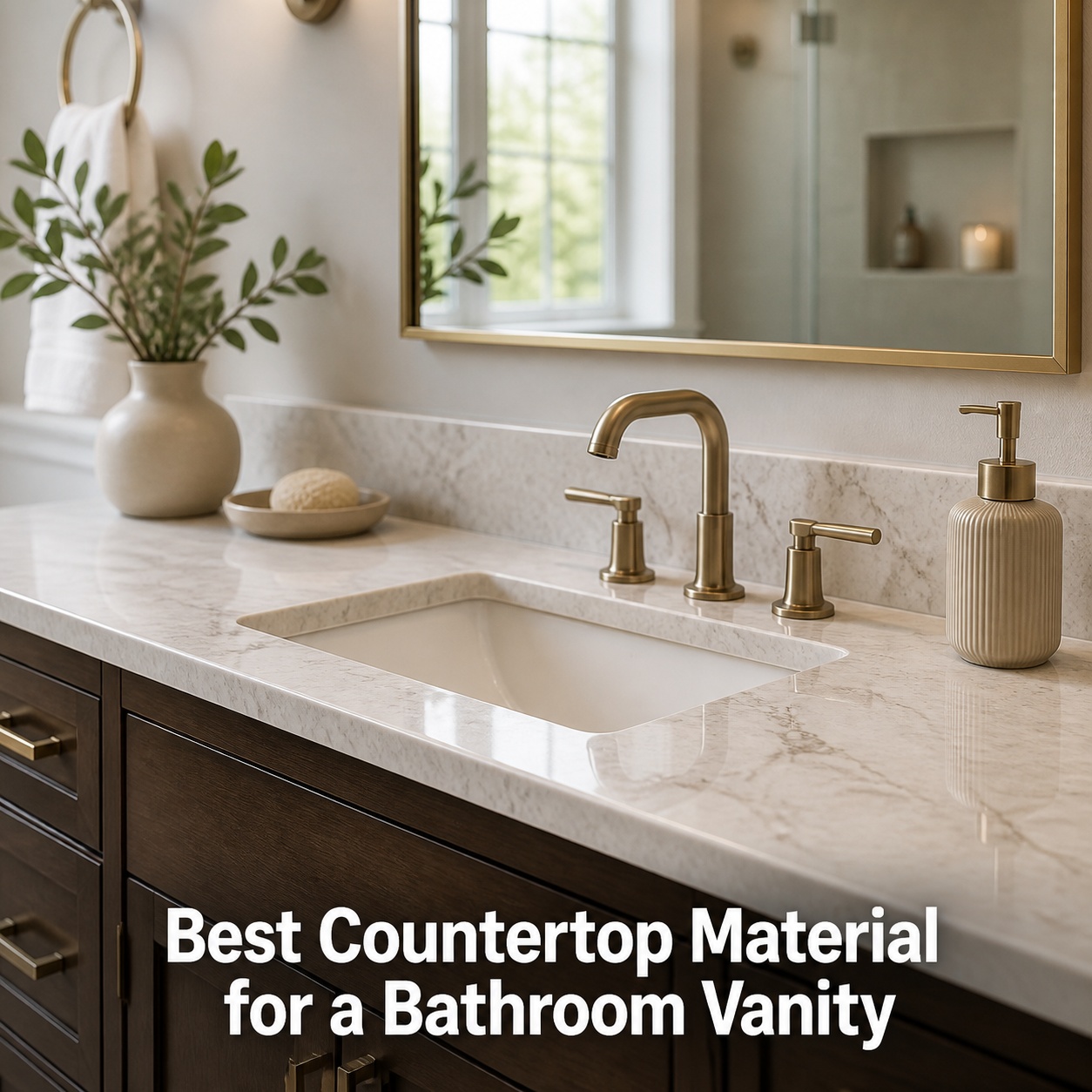
Choosing the right surface for your bathroom vanity is one of those decisions that feels small until you’re living with the wrong choice. A countertop that chips, stains, or warps under daily moisture exposure becomes a constant frustration. The good news is that the market offers genuinely excellent options across every budget, style preference, and performance requirement.
Your bathroom vanity countertop takes more abuse than most people realize. It faces daily water splashes, toothpaste, makeup, hair products, and the occasional hot styling tool. Unlike kitchen surfaces, bathroom countertops are smaller in square footage but higher in daily contact, which means material quality and surface finish matter enormously.
This guide walks through every major countertop material available for bathroom vanities, comparing real-world performance, maintenance demands, aesthetic range, and cost structure. Whether you are planning a full bathroom remodel or simply replacing a worn surface, the information here will help you make a confident, informed decision.
Key Factors When Choosing a Bathroom Vanity Countertop
Before comparing specific materials, it helps to understand what actually separates a good bathroom countertop from a frustrating one. Four core factors drive almost every decision: how the material handles moisture and heat, how long it lasts with realistic care, how it looks in your space, and what the full cost of ownership actually looks like.
Moisture, Heat, and Stain Resistance
The bathroom is a wet environment by definition. Water resistance is not optional , it is the baseline requirement for any countertop material you consider. Some materials handle moisture beautifully without any special treatment, while others require regular sealing to prevent water infiltration and staining.
Heat resistance matters more than many homeowners expect. Curling irons, flat irons, and hair dryers get set down on vanity surfaces constantly. A material that scorches, discolors, or cracks under moderate heat will show damage quickly.
Stain resistance is equally critical in a bathroom setting. Makeup, nail polish, hair dye, and cleaning products all interact with countertop surfaces differently depending on porosity and surface finish. Porous materials absorb stains faster and require more proactive maintenance to stay looking clean.
| Material | Water Resistance | Heat Resistance | Stain Resistance | Sealing Required |
|---|---|---|---|---|
| Quartz | Excellent | Good | Excellent | No |
| Granite | Good | Excellent | Good | Yes |
| Marble | Fair | Good | Fair | Yes |
| Solid Surface | Excellent | Fair | Good | No |
| Porcelain Tile | Excellent | Excellent | Excellent | No |
| Laminate | Fair | Poor | Good | No |
Durability, Maintenance, and Longevity
Durability in a bathroom context means resistance to chipping, cracking, scratching, and surface degradation over years of use. Natural stone like granite and marble is physically hard but can chip at edges. Engineered materials like quartz and solid surface offer more consistent durability across the entire slab.
Maintenance requirements vary dramatically between materials. Some surfaces need nothing more than a damp cloth, while others require periodic sealing, specialized cleaners, or professional refinishing to maintain their appearance. Honest maintenance expectations should factor heavily into your final choice.
Longevity is the long game. A material that looks great on installation day but requires replacement within a decade is rarely the economical choice it appeared to be at purchase.
Style, Color Options, and Overall Aesthetic
Aesthetics drive bathroom remodel decisions more than almost any other factor. The countertop surface is one of the most visible elements in the room, and it sets the tone for the entire vanity area. Natural stone offers unique veining and depth that engineered materials approximate but rarely fully replicate.
Color range varies significantly by material. Quartz offers the widest engineered color palette. Granite and marble are limited to what nature produces, which is actually a selling point for many homeowners who value organic uniqueness. Laminate has improved dramatically in visual quality and now mimics stone convincingly at a fraction of the cost.
Budget, Installation, and Resale Value
Budget conversations in countertop selection need to account for more than material cost alone. Fabrication, edge profiling, sink cutouts, installation labor, and any necessary structural reinforcement all contribute to the final project cost. Natural stone and quartz sit at the premium end. Solid surface occupies the mid-range. Laminate and basic tile represent entry-level investment.
Resale value is a legitimate consideration for homeowners who plan to sell. Premium countertop materials in bathrooms consistently attract buyer attention and support stronger sale prices. A bathroom remodel featuring quality countertop material signals overall home care to prospective buyers.
Top Bathroom Vanity Countertop Materials Compared
Quartz: Best All-Around Balance of Performance and Style
Quartz is an engineered stone product made from ground quartz crystals bound with resin. It delivers exceptional water resistance, requires no sealing, and resists staining from virtually every common bathroom product. For homeowners who want premium performance without demanding maintenance, quartz is consistently the top recommendation.
The aesthetic range is broad. Manufacturers produce quartz slabs that mimic marble veining, solid granite tones, and contemporary concrete looks. The consistency of engineered production means fewer surprises in color matching across a vanity surface.
The main limitation is heat sensitivity. Resin binders in quartz can discolor under sustained high heat, so placing hot styling tools directly on the surface is not advisable. A simple heat mat eliminates this concern entirely.
Granite: Natural Stone Look with Strong Durability
Granite is a natural stone with exceptional hardness and heat resistance. Each slab is genuinely unique, offering organic color variation and veining that cannot be replicated. For homeowners who value authenticity in natural stone, granite delivers a look that engineered alternatives cannot fully match.
Water resistance is good but not perfect. Granite is porous and requires periodic sealing to prevent moisture infiltration and staining. A properly sealed granite surface handles bathroom conditions well. Neglected sealing leads to staining and potential bacterial harboring in surface pores.
Granite costs more than laminate and solid surface but is generally comparable to or slightly less than premium quartz depending on slab selection and fabrication complexity. The investment supports strong resale value in a bathroom remodel context.
Marble: High-End Luxury with Extra Care Needs
Marble is the prestige choice in bathroom design. Its distinctive veining, cool surface feel, and association with luxury interiors make it a perennial favorite for primary bathrooms and high-end renovations. No other material quite replicates the visual depth of genuine marble.
The trade-off is real and significant. Marble is porous, acid-sensitive, and prone to etching from common bathroom products including toothpaste and many cleaning agents. Regular sealing is essential, and even sealed marble requires careful product selection to avoid surface damage.
Cultured marble offers a manufactured alternative that mimics the look at lower cost with better stain resistance. It lacks the depth and uniqueness of natural marble but suits budget-conscious projects where the aesthetic matters more than authenticity.
Solid Surface: Seamless Look and Easy Repairability
Solid surface materials like Corian are acrylic-based composites that offer a completely seamless appearance, including integrated sinks. The absence of seams eliminates the primary water infiltration point in most countertop installations, making solid surface genuinely excellent for bathroom applications.
Scratches and minor damage can be sanded out and refinished, which is a unique advantage over stone and tile. This repairability extends the practical lifespan of solid surface installations significantly. The material sits in the mid-range cost tier, making it accessible for most bathroom remodel budgets.
Heat resistance is the weak point. Solid surface materials can scorch or warp under direct heat exposure, so the same caution that applies to quartz applies here. The aesthetic range is good but lacks the visual depth of natural stone.
Ceramic and Porcelain Tile: Versatile and Budget-Friendly
Tile countertops offer remarkable design flexibility. Ceramic and porcelain tile come in thousands of colors, patterns, and sizes, allowing genuinely custom looks at accessible price points. Porcelain specifically offers superior water resistance and durability compared to standard ceramic, making it the preferred choice for bathroom vanity applications.
The grout lines between tiles are the primary maintenance challenge. Grout is porous and stains easily without proper sealing. Epoxy grout eliminates most of this concern but adds installation complexity and cost. Properly installed and maintained tile countertops last for decades.
Heat resistance is excellent , tile handles hot styling tools without damage. The hard surface can feel cold and unforgiving, and dropped items are more likely to chip tile edges than they would damage stone or solid surface.
Laminates: Most Affordable with Modern Design Options
Laminate has shed its dated reputation. Modern laminate products feature high-resolution photographic printing that convincingly mimics stone, wood, and concrete at a fraction of the cost of those materials. For rental properties, guest bathrooms, or budget-conscious primary bathroom updates, laminate delivers respectable performance.
The limitations are real. Laminate cannot be repaired once chipped or swollen from water infiltration. Edges and seams are vulnerable to moisture damage, and the surface cannot handle heat without permanent damage. These limitations make laminate a practical entry-level choice rather than a long-term premium investment.
For homeowners researching how bathroom countertop choices compare to other rooms in the home, the best countertop material for a busy kitchen follows similar logic , performance requirements drive material selection more than aesthetics alone.
User Experience, Maintenance, and Everyday Use
How Each Material Handles Daily Bathroom Habits
Daily bathroom use is repetitive and often careless. Products get set down without thought, water splashes constantly, and cleaning happens quickly rather than carefully. The best countertop materials for bathroom vanities accommodate this reality without requiring behavioral changes from users.
Quartz and porcelain tile handle daily bathroom habits with the least friction. Both resist staining from common products, clean easily, and do not require special care routines. Granite performs similarly when properly sealed. Marble and laminate demand more conscious user behavior to maintain their appearance.
Cleaning Requirements and Product Compatibility
Most bathroom countertop materials clean effectively with mild soap and water. The problems arise from harsh cleaning products. Bleach-based cleaners damage marble and can dull quartz finishes over time. Abrasive scrubbers scratch solid surface and laminate. Acid-based cleaners etch marble and unsealed granite.
- Quartz: mild soap, pH-neutral cleaners, avoid bleach and abrasives
- Granite: stone-specific cleaners, avoid acidic products
- Marble: pH-neutral only, never acidic products
- Solid surface: mild abrasive cleaners acceptable, avoid harsh chemicals
- Tile: most cleaners safe, focus on grout maintenance
- Laminate: mild soap only, avoid abrasives and excess water near seams
Common Problems and How Different Materials Age
Every material develops characteristic aging patterns. Marble etches and develops a patina that some homeowners find beautiful and others find frustrating. Granite maintains its appearance well with proper sealing but can chip at edges over time. Quartz holds its color and finish consistently for many years.
Solid surface develops fine scratches with heavy use but can be refinished. Tile grout discolors without maintenance. Laminate edges and seams eventually show wear, particularly around the sink area where water exposure is highest.
Understanding how a material ages helps set realistic expectations and informs long-term satisfaction with the investment.
Noise, Feel, and Comfort in Daily Use
Tactile experience matters more than most countertop guides acknowledge. Natural stone surfaces feel cool and solid underhand. Solid surface has a slightly warmer feel. Tile feels hard and cold. Laminate has a slightly hollow sound when tapped that some users find cheap-feeling despite improved visual quality.
The sink integration also affects daily experience. Undermount sinks work with stone, quartz, and solid surface. Solid surface allows fully integrated sinks with no seam at all. Tile countertops typically use drop-in sinks. The sink-to-countertop connection affects both aesthetics and long-term water resistance at that critical junction.
Alternatives, Design Scenarios, and Buying Advice
Best Material by Bathroom Type (Primary, Guest, Kids, Rental)
Primary bathrooms justify premium investment. Quartz or granite deliver the performance and aesthetics that make daily use genuinely pleasant. Marble suits primary bathrooms where the homeowner appreciates its beauty and accepts its maintenance requirements.
Guest bathrooms see lighter use and benefit from mid-range choices. Solid surface or well-selected granite provide excellent results without maximum investment. Kids’ bathrooms need durability and easy cleaning above all else , quartz or porcelain tile are the practical winners here.
Rental properties call for entry-level durability. Laminate or basic ceramic tile minimize upfront cost while providing adequate performance for tenant use. The goal in rental contexts is replacement cost management rather than premium longevity.
Alternatives for Eco-Friendly and Unique Looks
Concrete countertops offer a genuinely distinctive industrial aesthetic that suits contemporary and minimalist bathroom designs. Concrete requires sealing and ongoing maintenance but delivers a custom look unavailable in any manufactured product. Soapstone is another natural stone alternative with a softer, matte appearance and natural antimicrobial properties that suit bathroom environments well.
Recycled glass countertops embed colorful glass pieces in resin or cement bases, creating unique visual effects. These materials appeal to homeowners prioritizing sustainability and individuality over conventional aesthetics. Performance varies by specific product, so material-specific research matters here.
For homeowners who want to understand the full landscape of low-maintenance options before committing, reviewing the top picks for low-maintenance countertop materials provides useful comparative context across all room types.
How to Read Quotes, Compare Prices, and Avoid Hidden Costs
Countertop quotes vary significantly based on factors that are not always obvious at first glance. Material grade, slab thickness, edge profile complexity, sink cutout type, and installation access all affect final pricing. A quote that looks lower than competitors may exclude fabrication, edge finishing, or removal of the existing countertop.
- Ask whether the quote includes material, fabrication, and installation separately
- Confirm whether sink cutout and undermount support are included
- Ask about edge profile options and whether upgrades carry additional cost
- Clarify who handles removal and disposal of the existing countertop
- Request written confirmation of lead times and installation scheduling
Premium materials cost more than entry-level options, but fabrication quality affects the final result as much as material selection. A beautifully fabricated laminate countertop outperforms a poorly cut and installed granite slab in both appearance and longevity.
Working with Fabricators and Installers
The fabricator relationship matters enormously for stone and quartz countertops. These materials require precise templating, cutting, and finishing that directly affects how the final installation looks and performs. Visiting a fabricator’s shop to see their work quality before committing is always worthwhile.
Ask to see completed bathroom vanity projects specifically, since bathroom installations involve smaller pieces, tighter tolerances around sinks, and often more complex edge work than kitchen countertops. References from previous bathroom remodel clients provide the most relevant quality signal.
Installation day preparation matters too. Ensure the vanity cabinet is level and structurally sound before countertop installation. Stone and quartz are heavy, and an unlevel or weak cabinet base creates problems that are expensive to correct after installation is complete.
Conclusion
The right countertop material for a bathroom vanity depends on how you actually use the space, what maintenance commitment you are willing to make, and what aesthetic outcome matters most to you. Quartz delivers the most consistent all-around performance for most homeowners. Granite and marble suit those who value natural stone authenticity and accept their respective care requirements. Solid surface excels where seamless integration and repairability matter. Tile and laminate serve budget-conscious projects without sacrificing basic functionality.
No single material is universally best. The best choice is the one that aligns honestly with your priorities, your bathroom’s use patterns, and your long-term ownership plans. Use this guide as a framework, gather written quotes from qualified fabricators, and make your decision with full information rather than assumptions.
FAQ
What is the most durable countertop material for a bathroom vanity?
Quartz and granite consistently rank as the most durable options for bathroom vanity countertops. Both resist chipping, scratching, and surface degradation under normal bathroom use. Granite has a slight edge in heat resistance, while quartz outperforms in stain resistance and requires no sealing. Porcelain tile is also exceptionally durable, particularly in high-moisture environments, though grout maintenance adds an ongoing care requirement that stone and quartz do not share.
Which bathroom vanity countertop needs the least maintenance?
Quartz requires the least maintenance of any premium countertop material. It needs no sealing, resists staining from common bathroom products, and cleans with mild soap and water. Solid surface is similarly low-maintenance and adds the benefit of repairability for minor scratches. Porcelain tile with epoxy grout also delivers very low maintenance performance. Marble and granite require periodic sealing and more careful product selection, placing them higher on the maintenance demand scale.
Is it worth paying more for quartz or granite in a bathroom?
For primary bathrooms and spaces where daily experience and long-term value matter, the premium investment in quartz or granite is generally worthwhile. Both materials last for decades with appropriate care, support strong resale value, and deliver a quality of daily experience that entry-level materials cannot match. For guest bathrooms, rental properties, or short-term ownership situations, mid-range or entry-level materials provide adequate performance at lower upfront cost. The decision ultimately depends on how long you plan to own the home and how much daily use the bathroom receives.